Concrete Driveways
Your driveway is one of the first things people notice about your property, and it takes a beating every single day from vehicles, weather, and time.
What Makes a Quality Concrete Driveway
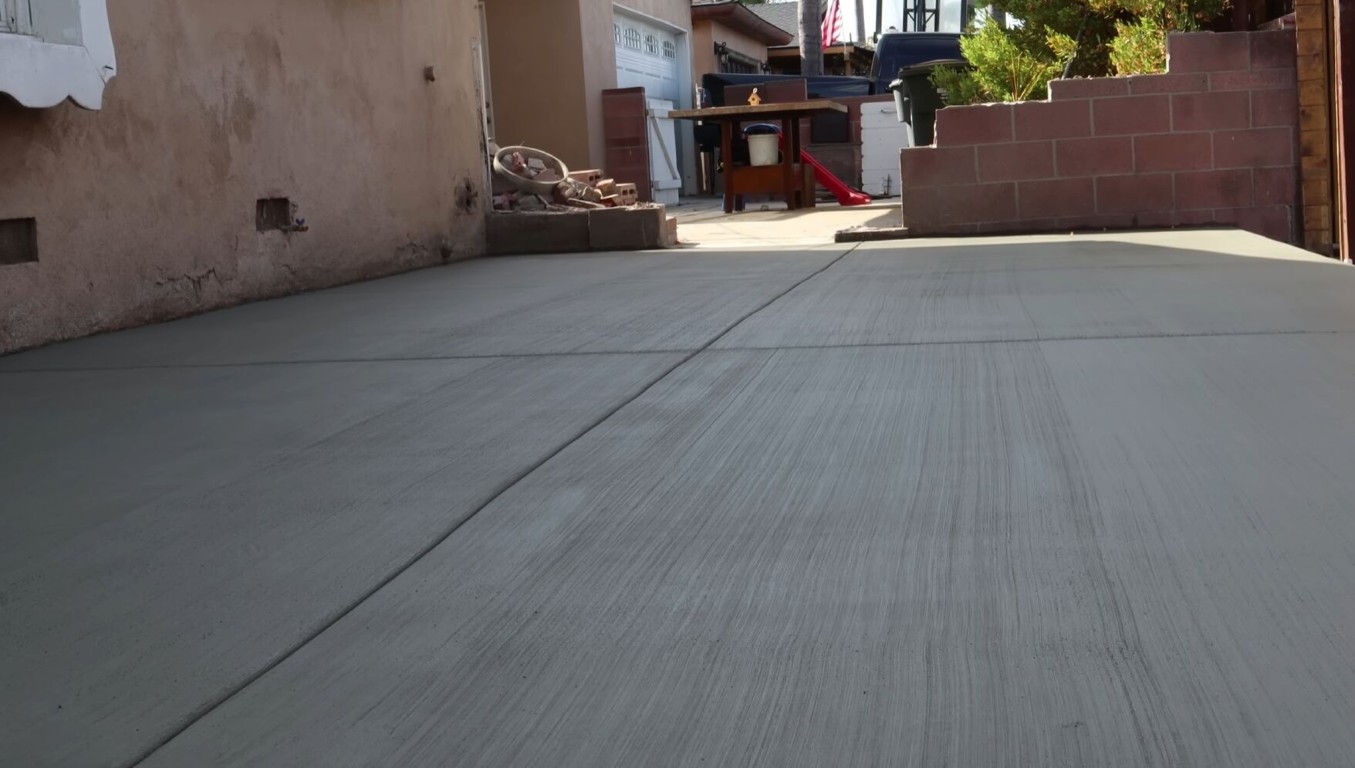
A concrete driveway is more than just a place to park your car. It's a carefully engineered surface designed to support thousands of pounds while withstanding freeze-thaw cycles, oil spills, and constant traffic. When built correctly, a concrete driveway can last 30 years or more with minimal maintenance. That's significantly longer than asphalt, which typically needs replacement every 15 to 20 years.
The key to a long-lasting driveway starts below the surface. Before we pour any concrete, we prepare the site by excavating to the proper depth and creating a stable base. We compact a layer of gravel or crushed stone to prevent settling and provide drainage. This base layer is critical because it distributes the weight of vehicles and prevents the concrete from cracking under pressure.
Next comes the concrete itself. We use a high-quality mix with the right ratio of cement, aggregate, and water. The thickness of your driveway matters too. For standard residential use, we typically pour slabs that are four to six inches thick. If you have heavy vehicles or plan to park an RV, we'll increase the thickness and add extra reinforcement.
Reinforcement is another critical component. We install steel rebar or wire mesh within the concrete to add tensile strength. This reinforcement helps the slab resist cracking as temperatures change and the ground shifts slightly over time. Without proper reinforcement, even the thickest concrete will eventually develop cracks. When you choose MapleLane Fitchburg Concrete for your driveway project, you're getting a surface built to perform for decades.
Why Choose Concrete Over Other Materials
When you're deciding between concrete and asphalt, the numbers speak for themselves. Concrete costs more upfront but saves you money over its lifetime. You won't need to seal it every few years like asphalt. You won't see ruts forming where your tires always sit. And you won't watch your driveway deteriorate into a crumbling mess after just ten years.
Key Advantages of Concrete Driveways
- Exceptional durability that withstands heavy loads without rutting or deforming
- Low maintenance requirements compared to asphalt or pavers
- Superior resistance to oil stains, gasoline spills, and chemical damage
- Better performance in hot weather without softening or tracking into your garage
- Lighter color reflects heat and keeps your property cooler in summer
- Increased property value and curb appeal that buyers notice
- Flexible design options including stamped patterns and colored finishes
Concrete also handles the harsh Fitchburg winters better than most people realize. Yes, you still need to shovel and use ice melt, but the surface itself doesn't break down from freeze-thaw cycles the way asphalt does. When water gets into asphalt and freezes, it expands and creates cracks. Those cracks get bigger every winter until you're left with potholes. Concrete is far more resistant to this type of damage when it's properly installed with the right base and reinforcement.
Another benefit is versatility. While basic gray concrete is perfectly fine, you can also choose decorative options. Stamped concrete can mimic the look of brick, cobblestone, or natural stone at a fraction of the cost. Colored concrete adds visual interest without the maintenance headaches of pavers. If you want to explore decorative options, check out our stamped and decorative concrete services to see what's possible.
How We Install Your Driveway
Every quality driveway starts with proper planning. When you contact us, we'll schedule a site visit to assess your property. We look at the existing grade, drainage patterns, and soil conditions. We measure the area and discuss your specific needs. Do you need room for two cars? Three? Will you be parking an RV or boat? These details determine the design and specifications.
Step-by-Step Installation
Site Preparation: We start by removing any existing driveway material and excavating to the proper depth. This usually means digging down 8 to 12 inches depending on your soil type and local frost depth. We haul away all debris and leave you with a clean work area.
Base Installation: Next, we bring in crushed stone or gravel and spread it evenly across the excavated area. We use a plate compactor or roller to compress this base material until it's solid and stable. A well-compacted base prevents settling and provides the drainage your driveway needs.
Form and Reinforcement: We install wooden or metal forms along the edges to contain the concrete and create clean lines. Then we place steel reinforcement inside the forms. This might be rebar in a grid pattern or welded wire mesh, depending on your driveway's size and expected load.
Concrete Pour: We order fresh concrete mixed to our specifications and pour it into the forms. Our crew works quickly to spread and level the concrete before it starts to set. We use screeds and floats to create a smooth, even surface. For larger driveways, we install control joints to manage where cracks will occur if the concrete does eventually crack.
Finishing: Once the concrete is level, we apply the final finish. This might be a smooth trowel finish, a broom finish for traction, or a decorative texture. The finish you choose affects both appearance and slip resistance. We can discuss the pros and cons of each option during planning.
Curing: After finishing, we apply a curing compound or cover the concrete to help it cure properly. Concrete needs moisture to reach its full strength, so proper curing is essential. We'll let you know when it's safe to walk on the surface and when you can drive on it. Usually, you can walk on it after 24 hours, but you should wait at least seven days before driving on it.
Keeping Your Driveway in Top Condition
One of the best things about concrete driveways is how little maintenance they require. You don't need to seal them every year or patch potholes every spring. But a little basic care goes a long way toward protecting your investment and extending its life even further.
Simple Maintenance Steps
Clean your driveway regularly. Sweep off dirt and debris, and hose it down a few times a year. If you spill oil or other fluids, clean them up promptly. While concrete resists stains better than asphalt, it's not completely stain-proof. A quick cleanup prevents permanent discoloration.
Apply a concrete sealer every few years. Sealing isn't required, but it adds an extra layer of protection against moisture, stains, and de-icing chemicals. A good sealer also makes cleaning easier because spills sit on the surface instead of soaking in. We can recommend quality sealers and even apply them for you if you prefer.
Watch for minor cracks and address them quickly. Small cracks are normal and don't necessarily indicate a problem. But if you catch them early, you can fill them with concrete caulk or patching compound to prevent water from getting underneath. Water infiltration leads to bigger problems over time, especially during freeze-thaw cycles.
Use de-icing products carefully in winter. Avoid products containing ammonium sulfate or ammonium nitrate, as these can damage concrete. Instead, use calcium chloride or magnesium chloride-based products. Sand provides traction without any risk to your driveway. If you notice any significant damage or have concerns about your driveway's condition, our concrete repair services can help restore it.
Common Questions About Concrete Driveways
Ready for a New Driveway?
Let's talk about your driveway project. We'll answer your questions, assess your property, and provide a detailed quote at no cost. Whether you need a simple replacement or want to explore decorative options like stamped concrete finishes, we're here to help. Contact us today to get started.