Serving Fitchburg, MA and surrounding areas. (978) 906-8756
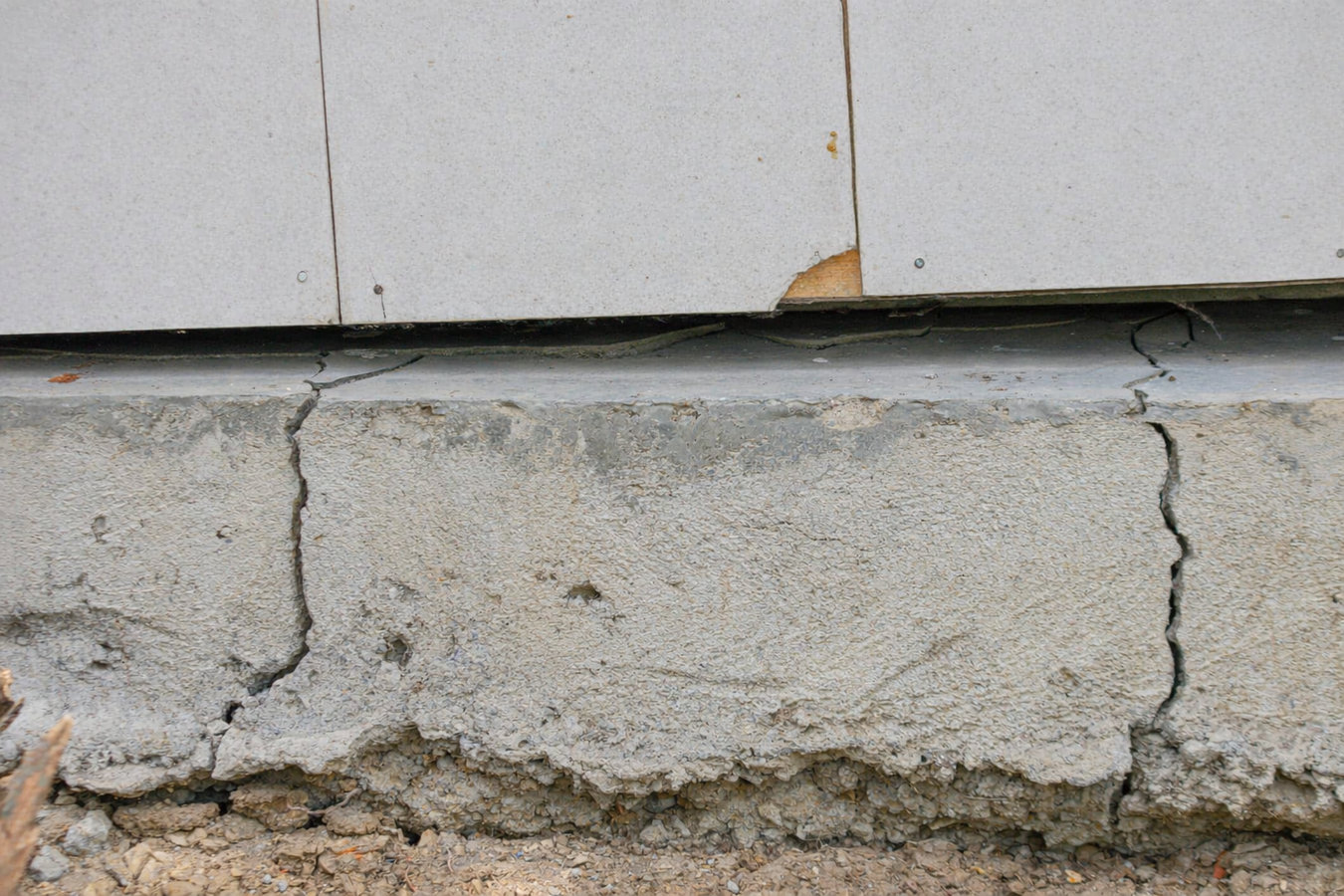
A sunken slab does not always mean a full tear-out. Get your driveway, patio, or garage floor lifted back to level for a fraction of the replacement cost.
Foundation raising in Fitchburg lifts sunken concrete slabs back to their original level position by pumping a material through small drilled holes to fill voids beneath the slab and push it upward - most residential jobs are completed in a single day, and the surface is ready for foot traffic the same afternoon.
If you have a driveway section that dips, a patio that pools water after every rain, or a garage floor that has settled unevenly, foundation raising may fix the problem in a few hours without a jackhammer. Fitchburg homeowners often discover these issues in spring, after a winter of freeze-thaw cycles has finished moving the soil underneath. Acting before another winter makes things worse is usually the right call.
Raising works best when the concrete itself is in decent condition. If the damage has progressed to where the slab needs to come out, that may require a full slab foundation build. A contractor who has honestly assessed the situation will tell you which option makes sense rather than defaulting to the more expensive one.
If one section of your driveway, patio, or garage floor sits noticeably lower than the surrounding area, the soil underneath has likely shifted or eroded. You might see water pooling in the low spot after rain, or feel a bump when walking or driving over the edge. This is the clearest signal that raising may be the right fix before the gap widens further.
A gap between your front steps and the house wall is a reliable sign that the steps have settled while the house has not, or the other way around. That gap lets water in, accelerating the problem. It is also a trip hazard. In Fitchburg, where freeze-thaw cycles are relentless each winter, a gap that appears in spring will usually be wider by the following spring if nothing is done.
Fitchburg's hard winters stress concrete. Cracks that run diagonally or are wider at one end often indicate movement in the ground below. Small cracks can be normal, but cracks that are growing or wide enough to fit a coin into deserve a professional look before they become something that requires full slab replacement rather than lifting.
If rainwater or snowmelt consistently collects against your foundation or in a low spot near your home, it is actively eroding the soil underneath. Over time that erosion creates the voids that cause slabs to sink. In Fitchburg's hilly neighborhoods, this is especially common on lots where the grade slopes toward the house rather than away from it.
We lift residential concrete slabs throughout Fitchburg and the surrounding Worcester County area, from sunken driveway panels and settling garage floors to uneven patio sections and front stoops that have pulled away from the house. The process starts with a free on-site visit. We look at the slab from multiple angles, check for signs of what caused the sinking, and tell you honestly whether raising is the right call or whether the concrete has deteriorated past the point where lifting will hold.
Two methods are available depending on your situation. Mudjacking, which has been in use for decades, pumps a cement-and-soil slurry beneath the slab through small drilled holes; it tends to cost less upfront and works well on larger areas. Polyurethane foam injection uses a lighter, faster-curing material that leaves smaller holes and is often a better fit for areas with restricted access or where added weight is a concern. We walk you through which approach suits your slab and soil conditions before any work starts.
After the slab is leveled, we patch the drill holes before leaving. We also point out any drainage issues nearby that could cause the problem to return; improving grading and redirecting downspouts away from the raised area is frequently the difference between a repair that lasts years and one that needs repeating. For cases where raising is not sufficient and replacement is needed, we can scope full slab foundation building or discuss a concrete cutting and replacement approach as part of the same project.
For homeowners with a sunken driveway panel or section that creates a bump, a trip hazard, or a low spot that collects water after rain.
Suits settled patio surfaces where one or more sections have dropped, creating an uneven walking surface or drainage problems near the house.
For garage floors that have settled unevenly, creating a slope toward the back wall or a section that holds water after the door is opened in rain.
When entry steps or a stoop have separated from the house or settled at one corner, leaving a visible gap or a surface that tilts.
For walkways on the property that have heaved or settled, creating a trip edge between panels that keeps getting worse each winter.
For homeowners who want an honest comparison of both methods before deciding, including which suits their specific slab, soil, and access conditions.
Fitchburg sits in north-central Massachusetts, where the ground freezes hard every winter and thaws every spring. Every freeze-thaw cycle forces water into the soil beneath slabs, causes it to expand, and then pulls it back as temperatures climb. Over years and decades, that repeated movement erodes the base that holds a concrete slab in place. Fitchburg homeowners tend to discover the damage in March and April, when the snow melts and the results of another winter become visible. By then, a small settlement from last year has often become a larger one. The Concrete Network and the American Concrete Institute both document how freeze-thaw exposure accelerates slab movement in northern climates.
Fitchburg's older housing stock adds to this. A large share of the city's homes were built in the early-to-mid 20th century, and many of those driveways and garage floors were poured with less reinforcement and less attention to base preparation than modern standards require. The soil has had decades to settle, shift, or wash away. Homes on the city's hillside lots face an additional challenge: water drains toward the house on steep grades, and that runoff is one of the most consistent contributors to the erosion that causes slabs to sink. Homeowners in neighborhoods like South Fitchburg and in the older streets closer to downtown see this pattern constantly.
We serve homeowners throughout Fitchburg and into neighboring Leominster, Gardner, and the broader Worcester County corridor. The soil composition and climate conditions across this area are similar, and the same freeze-thaw problems that affect Fitchburg driveways show up in every neighboring town. Calling early, before the spring rush fills schedules, is consistently the best way to get the work done on your timeline.
We reply within one business day. Tell us what you are seeing and where it is on your property, and we will schedule a free on-site estimate at a time that works for you.
We visit, walk the area with you, and explain what caused the sinking in plain terms. You receive a written estimate that covers the method, scope, and cost; no obligation to proceed.
We confirm whether a city permit is needed and handle the process. You clear the work area of vehicles and furniture the morning of the job, which usually takes less than 30 minutes.
The crew drills small holes, injects the lifting material, monitors the slab as it rises to level, then patches every hole before leaving. Most jobs are finished in a few hours, and the surface is ready for foot traffic the same day.
Free on-site estimate, written quote before any work starts, no obligation.
(978) 906-8756We look at the concrete, the soil, and the drainage before recommending mudjacking or foam injection. If the slab is too far gone for lifting to hold, we tell you that directly rather than taking your money on a repair that will not last.
We work year-round in north-central Massachusetts and see the same frost-heave patterns on Fitchburg's hilly lots season after season. That local context shapes how we assess a sunken slab and what drainage advice we give after the repair.
We are licensed in Massachusetts and carry full liability insurance. When a permit is required through the City of Fitchburg Inspectional Services, we handle the filing and keep you informed. You can verify contractor registration through the <a href="https://www.mass.gov/orgs/office-of-consumer-affairs-and-business-regulation" target="_blank" rel="noopener noreferrer" className="text-secondary underline underline-offset-2">Massachusetts OCABR</a>.
We serve Fitchburg, Leominster, Gardner, and nine other communities across Worcester County and the surrounding region. One crew handles the whole job; no subcontracting the lifting to a company that has never seen your neighborhood.
Foundation raising is a repair that either holds or it does not, and the difference almost always comes down to whether the contractor assessed the drainage honestly and addressed it. We have done this work in Fitchburg long enough to know that a lifted slab without improved drainage is a temporary fix. We give you both.
When a slab has deteriorated past the point of lifting, precise concrete cutting removes the damaged section cleanly before a replacement pour.
Learn moreFull slab foundation pours for Fitchburg properties where an existing slab cannot be lifted and must be replaced from the ground up.
Learn moreFitchburg contractors book up fast after the snow melts. Call now to lock in your estimate before the spring rush hits.